


Updated: October 1, 2026
Crafting compelling sales messaging is hard. Getting a response to your outbound is even harder.
The average cold email response rate is 1-5%, and Hiya reports that 86% of unknown calls go unanswered. In Common Room's 2026 customer conversations, teams tell us email reply rates now hover around 1% and call connect rates around 2.5%, as buyers self-educate and tune out generic outreach.
Here are five ways to improve your outbound response rates.
💡 What Do We Mean by Outreach? Outbounding is synonymous with emails and phone calls, but those are only two options. Modern buyers are active everywhere: social channels like LinkedIn and X, community platforms like Slack and Discord, and forums like Reddit and Stack Overflow. But these dark-funnel channels are hard to track, so sellers often revert to more traditional outreach channels.
1. Go Beyond Basic Firmographics
What Most Sales Teams Are Doing
Every organization wants to reach buyers at the right companies, so most sellers sort prospects based on ideal customer profile fit: industry, size, location, annual revenue, capital raised.
These are important markers, but they don't provide unique outreach opportunities or signal buyer intent.
How to Sell Smarter
Search for firmographic details that shine a light on day-to-day operations, such as tech stack configuration. You know your competitors and their shortcomings. You also know which tools you complement.
This gives you context for organizational objectives and potential pain points. Now you have a reason to reach out and a hook that will resonate more than a generic sales spiel.
Why It Works
Account-based marketing is just marketing now. Ask the 96% of B2B marketers who, according to Foundry, have a documented ABM strategy in place.
You have to go beyond surface-level account info and get surgical with your messaging to stand out and earn buyer interest. Account-level intent isn't enough on its own: you need to know which person is in-market, not just which company.
2. Hone In on Motivated Decision-Makers
What Most Sales Teams Are Doing
Reaching people with budget authority matters, so most sales teams zero in on job titles to fuel their outreach.
But just because someone has "director" in their title doesn't mean they're ready for a new solution.
How to Sell Smarter
Look for signals that indicate someone is in-market. A recent job change is an obvious one: new leaders often reset their tooling and budgets early in their tenure.
But it also pays to track recent digital activity, such as engagements with your social channels or negative mentions of your competitors in online forums. This can show you which prospects are really ready to buy.
Why It Works
Reaching economic buyers is key (no one wants to get the dreaded "I'm not the right person to talk to" response).
But you have a much better chance of kicking off a conversation if the person is actually primed to buy.
3. Increase Speed to Lead
What Most Sales Teams Are Doing
Most sellers get in touch as soon as they see a hint of intent (or as soon as their marketing team passes along the latest lead list).
But there's generally a lag between buyer action and buyer outreach. Either the window of opportunity has already closed or you've entered into a bake-off with your competitors.
How to Sell Smarter
Be the first to know about buyer behaviors.
Automated alerts that notify sellers when buyers take certain actions or have certain conversations will help reps respond in real time.
Why It Works
Speed wins. The first useful message in front of a buyer usually sets the agenda. 78% of B2B buyers go with whichever vendor gets in touch first. And research shows that responding to leads after even 30 minutes is 21 times less effective.
4. Meet Buyers Where They Are
What Most Sales Teams Are Doing
Most sales teams stick with the standard outreach playbook: emails, phone calls, and a sprinkling of LinkedIn DMs.
These are tried-and-true channels, but they're only a drop in the bucket.
🎬 Outreach in Action Read our case study to see how the team at Temporal uses buyers' cross-channel activities to reach out with the right message in the right place.
How to Sell Smarter
Find out where your buyers spend their time online, be it LinkedIn, Twitter, Slack, Discord, Reddit, Stack Overflow, GitHub, or somewhere else.
When you reach out to someone in the channel they actually use, you have a better chance of getting a response.
Check out our conversation with BizDev Labs to learn more about how sales teams can improve outbounding on modern communication channels:
Why It Works
Email inboxes are crowded, and people would rather text than talk on their phones. Reaching out with a Slack DM instead of a standard email separates you from the crowd and increases the odds that buyers will see your message in the first place.
Besides, data shows that teams that invest in dark-funnel channels discover millions of dollars worth of pipeline before those opportunities pop up in CRMs.
5. Convert With Context
What Most Sales Teams Are Doing
Most sellers rely on templated emails their marketing teams wrote in a lab.
Smart reps dig deeper to prepare a truly tailored message, but this can be a time suck (especially when you don't have easy access to person-level data).
How to Sell Smarter
Inform outreach with every piece of contextual data at your disposal.
Firmographics, job histories, cross-channel activities, product usage: they all help you go beyond customized name tokens to create truly personalized messaging.
Why It Works
Most businesses like to say they're delivering personalized experiences to their buyers, but 61% of customers say brands treat them like numbers. Generic AI-written emails now flood inboxes, so real context and signals are what earn a reply instead of a delete.
The more you tailor your messaging to buyers based on identity, intent, and context, the better your chance of getting a conversation off the ground.
How Common Room Helps You Improve Outbound Response Rates
The intelligence you need to craft outstanding outreach (deep firmographics, buyer readiness, channel preferences, and more) is locked up and siloed across multiple tools.
Or at least it was before Common Room.
Here's how we help.
Connect Your Data
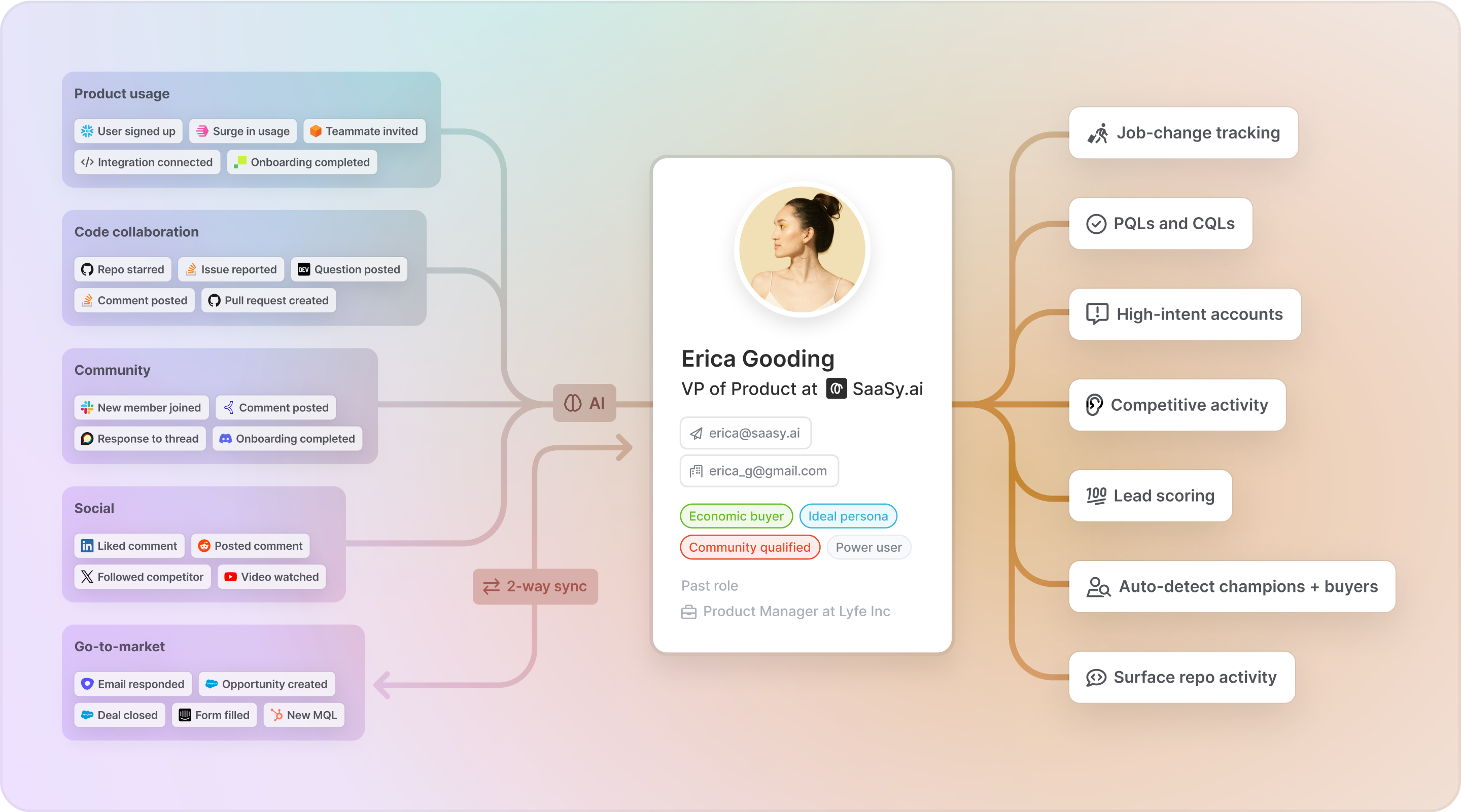
Pick from dozens of integrations with popular data sources, from social to community to product and beyond.
Plug them into Common Room and we'll give you a 360-degree view of every buyer in your ecosystem (and the organizations they work for).
Our AI-powered identity and enrichment engine, Person360, automatically creates rich profiles for each and every person you want to know about.
Surface Your Signals
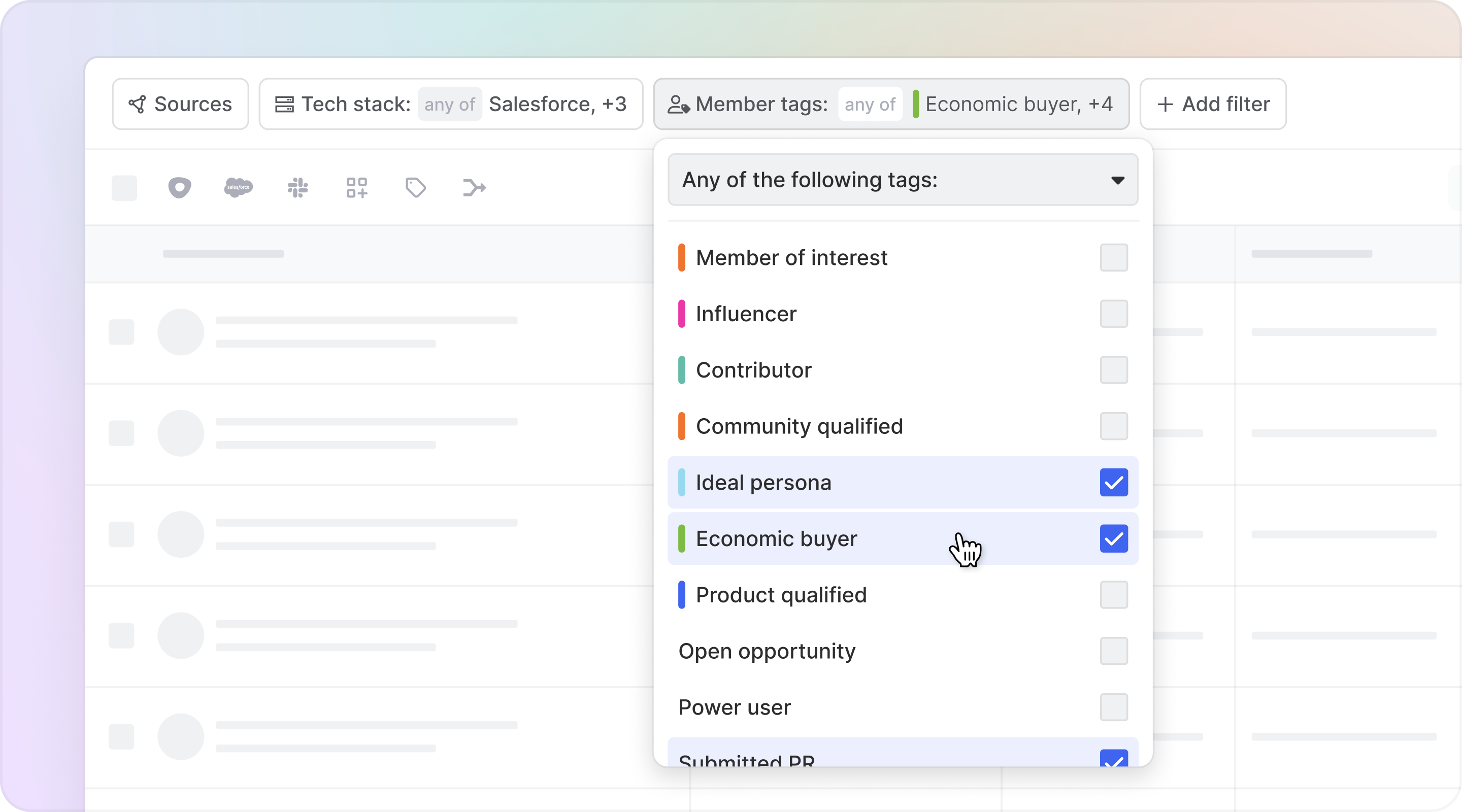
Dig deeper into opportunities with easy-to-use filters and tags.
Take a peek at prospects' tech stacks, sort leads by recent org changes, get a bird's eye view of all cross-channel activities, learn where buyers like to spend their time, and drill down into which ones have budget authority or match your ideal persona, all with the click of a button.
Then focus on the most eager opportunities with our AI-powered lead and account scoring.
Execute Your Outreach
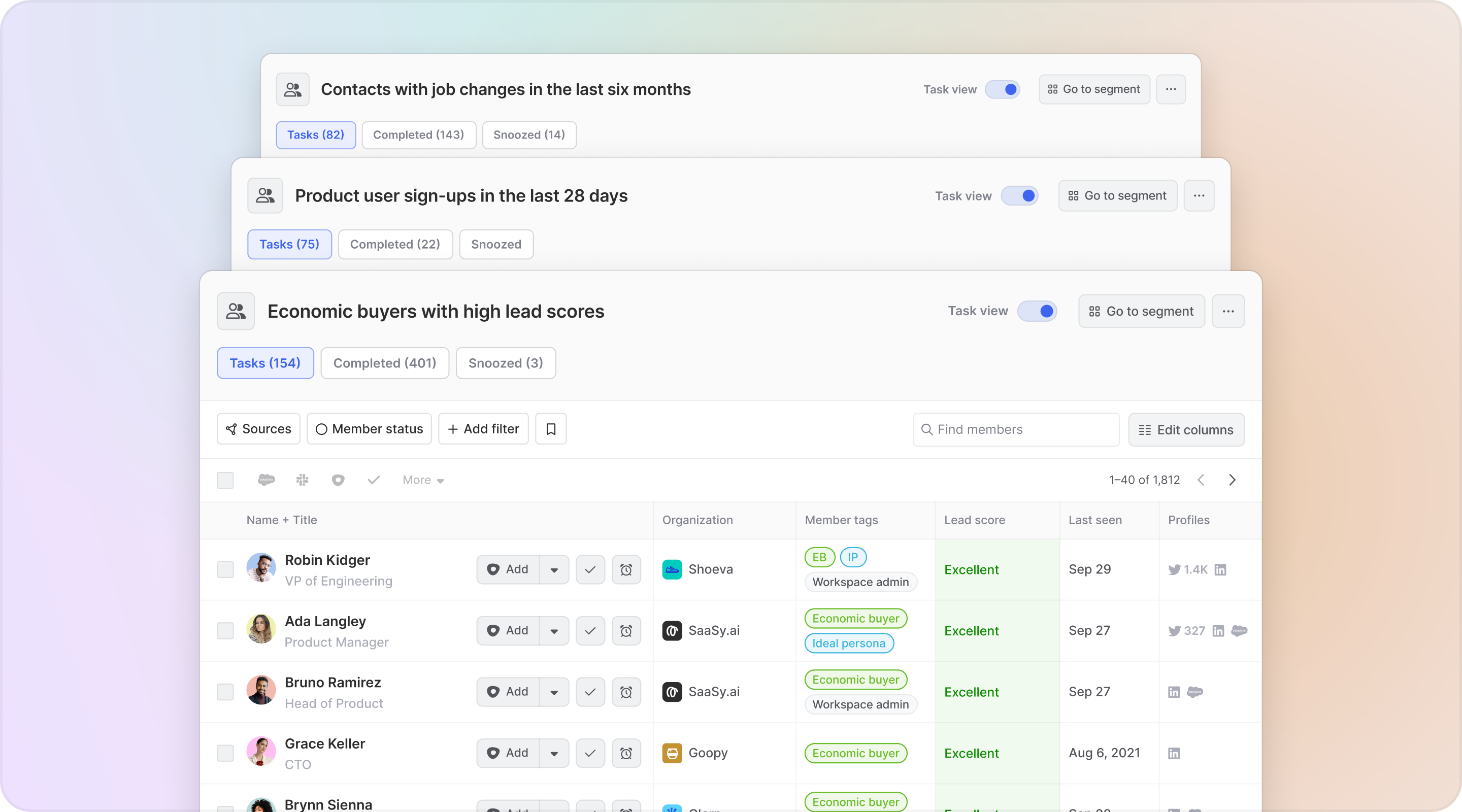
Know when to reach out (and follow through) instantly.
Use automated alerts to stay notified of any buyer activity you care about in real time. Then send off a LinkedIn or Slack DM, or add buyers to personalized outreach sequences, directly from Common Room.
Common Room automatically adds high-intent, high-fit leads to dedicated segments so you can monitor and engage prospects lightning-fast.
There's no shortage of ways to improve your outbound response rates, from what you say to how you say it. These are just five examples.
Start by getting the tools you need to uplevel your outreach.
Frequently Asked Questions
What Is a Good Outbound Response Rate?
Cold outbound is tough: the average cold email response rate lands between 1% and 5%. Anything at or above that range is solid, and grounding your messages in real buyer signals is the most reliable way to climb toward the top of it.
Does Multichannel Outreach Improve Response Rates?
Yes. Buyers are active across email, social, community, and forums, so meeting them in the channel they actually use improves your odds of being seen and getting a reply.
How Do I Get More Replies to Cold Outreach?
Lead with context. Tailoring your message to a buyer's identity, intent, and cross-channel activity, rather than sending a generic template, is what separates a reply from a delete.
Create Real Connections With Common Room
Request a demo or get in touch to see how Common Room helps you connect with the person behind the signal.
/www.commonroom.io/demo/) or get in touch to see how Common Room helps you connect with the person behind the signal.